



|
Name |
Tomodachi Life Living the Dream |
|---|---|
|
Category |
Simulation |
|
Developer |
Nintendo |
| Last version | 2.5 |
|
Updated |
|
|
Compatible with |
Android 7.1+ |
Table of Contents
1 Information of Tomodachi Life Living the Dream2 What is Tomodachi Life Living the Dream APK?3 Main Features of Tomodachi Life: Living the Dream3.1 Detailed Mii Creation and Personalization3.2 Daily Activities, Clothing, and Apartment Decoration3.3 Personalities, Friendships, and Romantic Relationships4 How Gameplay Works on the Island4.1 Build a Community and Follow Its Daily Life4.2 Solve Problems and Influence Outcomes5 Character Customization and Visual Presentation6 Who Will Enjoy Tomodachi Life: Living the Dream?
What is Tomodachi Life Living the Dream APK?
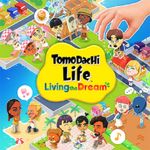
Tomodachi Life Living the Dream APK is a search term associated with Tomodachi Life: Living the Dream, a social life simulation game centered on creating Mii characters and watching their lives unfold on a shared island. Rather than controlling every action, players help residents with everyday needs, shape their surroundings, and observe the unexpected situations that emerge from their personalities and relationships.
The island begins with characters designed by the player. They might resemble friends, family members, familiar personalities, or completely imaginary people. Once these residents settle into their new home, they develop individual routines, preferences, friendships, and romantic interests that give the community its identity.
Much of the gameplay comes from small interactions. A resident might need something to eat, want a different outfit, or face a personal problem. Helping them creates opportunities to learn about their behavior and see how their lives change over time.
The game combines character customization, apartment decoration, social simulation, and humorous everyday situations. Its appeal lies in the freedom to build a community without having to follow a rigid sequence of missions.
Main Features of Tomodachi Life: Living the Dream
Detailed Mii Creation and Personalization
Character creation gives players control over the appearance of their island residents. Hairstyles, facial proportions, eye shapes, and other visual details can be adjusted to create recognizable or entirely original characters.
Hair customization includes individual color choices and additional shades for different sections. Eye and pupil colors also contribute to each Mii's appearance, allowing players to experiment with subtle designs or exaggerated combinations.
These options make the creation process an important part of the game rather than a brief setup screen. Players can spend time building a cast of characters with distinct appearances before introducing them to the island.
Visual design is only one part of a resident's identity. Characters also have voices, habits, and personality traits that influence how they behave. Two Miis with similar appearances can therefore feel different once they begin interacting with other residents.
Daily Activities, Clothing, and Apartment Decoration
After moving onto the island, residents participate in everyday activities that players can influence. Feeding characters, choosing clothing, and arranging their living spaces are recurring interactions that help establish a connection between the player and the community.
Food is a particularly simple way to engage with residents. Different characters can have different preferences, making their reactions part of the fun. Instead of treating every Mii identically, players can pay attention to individual responses when deciding what to offer.
Advertisement
Clothing provides another form of expression. Players can dress residents according to their personalities, experiment with contrasting styles, or give an entire group a shared visual theme.
Apartment decoration extends that creative freedom into personal living spaces. A resident's home can reflect their interests and appearance, giving the island a collection of individual environments rather than identical rooms.
Personalities, Friendships, and Romantic Relationships
Social interactions are central to Tomodachi Life: Living the Dream. Characters have changing moods and individual habits that influence their responses to daily events. Their personalities help determine how they relate to the people around them.
Friendships can develop through interactions, while romantic interests introduce another layer of unpredictability. Players can influence relationships, but the simulation also leaves room for outcomes that differ from their expectations.
This balance between guidance and independence creates memorable situations. Two residents may become close friends, develop romantic feelings, or encounter disagreements that require attention.
Assigned character voices make these interactions more recognizable. Combined with facial expressions, behavior, and individual preferences, they help each resident feel like a separate member of the island community.
How Gameplay Works on the Island
Build a Community and Follow Its Daily Life
The main gameplay loop begins with creating residents and giving them a place to live. As the island becomes populated, players move between characters, check their needs, and respond to situations that arise.
Unlike a conventional adventure game, progress does not depend on defeating enemies or completing a fixed campaign. Instead, the experience develops through the lives of the residents and the relationships connecting them.
A typical play session might involve checking on several Miis, offering food, changing an outfit, and responding to a resident's request. Another session could focus on creating a new character or adjusting the appearance of an apartment.
The freedom to switch between these activities makes the game suitable for players who prefer relaxed simulation systems over demanding action mechanics.
Solve Problems and Influence Outcomes
Residents occasionally encounter problems that invite player involvement. These situations create short personal stories within the larger island simulation.
A character might express dissatisfaction, struggle with a social situation, or need help making a decision. The player responds by choosing how to assist, which can affect the resident's mood and subsequent interactions.
Because characters have individual personalities, similar situations do not always produce identical reactions. The interesting part is watching how a decision fits into the existing network of friendships, preferences, and romantic connections.
Advertisement
Players can pursue particular relationship outcomes or simply allow the community to develop naturally. Both approaches use the same underlying simulation but create different stories.
Character Customization and Visual Presentation
Tomodachi Life: Living the Dream uses a polished HD visual style that gives greater clarity to character appearances and the island environment. This presentation is especially relevant to a game where facial details, clothing, and personal spaces play such a large role.
The Mii creation system supports a wide variety of designs. Players can create a relatively realistic group of residents or use unusual colors and facial combinations to produce a more playful community.
Customization also continues after characters have been created. Changing clothing and decorating apartments allows their appearance and surroundings to evolve as the game progresses.
These visual choices complement the personality simulation. A character's hairstyle or outfit establishes an immediate impression, while their voice, habits, mood, and relationships gradually reveal how they behave.
The result is a community where visual creativity and social storytelling work together. A carefully designed character can become part of an unexpected friendship or romantic storyline, giving that original design a larger role in the island's daily life.
Who Will Enjoy Tomodachi Life: Living the Dream?
This game is particularly appealing to players who enjoy creating characters and watching social situations develop without having to control every detail. The combination of customization and independent resident behavior encourages experimentation.
Players who like decorating virtual homes can focus on personalizing apartments and coordinating outfits. Those interested in social simulation can spend more time following friendships, romantic developments, and character moods.
The experience also supports different creative approaches. Some players may recreate people they know, while others might populate the island with fictional characters and observe the relationships that form between them.
One important distinction is that the player influences residents rather than directly controlling every moment of their lives. This makes the game less suitable for someone expecting a fully scripted story or precise control over every relationship.
For players who appreciate unpredictable character interactions, that independence is a central attraction. Everyday activities become the foundation for an ongoing collection of small stories shaped by the island's residents.
FAQs Tomodachi Life Living the Dream
What is Tomodachi Life Living the Dream?
+
Tomodachi Life Living the Dream is a life simulation game where you create Mii characters, place them on an island, and watch their relationships, routines, and funny situations develop over time.
What do you do in Tomodachi Life Living the Dream?
+
You manage an island community by creating residents, helping with their requests, giving advice, offering gifts, decorating spaces, and guiding social interactions as their lives unfold.
What are the main features in Tomodachi Life Living the Dream?
+
The main features include Mii creation, personality settings, relationship building, island customization, shared housing, unlockable facilities, item crafting, and small events that keep daily play fresh.
Who is Tomodachi Life Living the Dream best for?
+
It is best for players who like casual simulation games, character-driven humor, creative customization, and relaxed gameplay that works well in short check-in sessions.
Does Tomodachi Life Living the Dream have any downsides?
+
Its slower pace may not suit players who want constant action, and much of the fun comes from repeated check-ins, so enjoyment depends on how much you like ongoing social simulation.
Discover More Interesting Games
-
 Mod
3DTuning
v3.8.726
176.74 Mb
Updated -
Mod
Idle Mail Tycoon
v1.21.0
157.92 Mb
Updated -
Idle Junkyard Tycoon
v1.22.0
182.97 Mb
Updated -
Mod
Carnival Tycoon
v1.0.126
228.09 Mb
Updated -
Mod
Melon Sandbox
v38.666
358.28 Mb
Updated -
My Child New Beginnings
v1.0.037
1.02 Gb
Updated -
Lagos Life Naija Life Sim
v1.0.42
46.08 Mb
Updated -
Mod
Car For Trade
v9.20.1
212.88 Mb
Updated -
Mod
Office Cat: Idle Tycoon Games
v1.0.83
453.65 Mb
Updated -
Mod
My Supermarket!
v1.5.8
99.89 Mb
Updated







Share Your Thoughts